
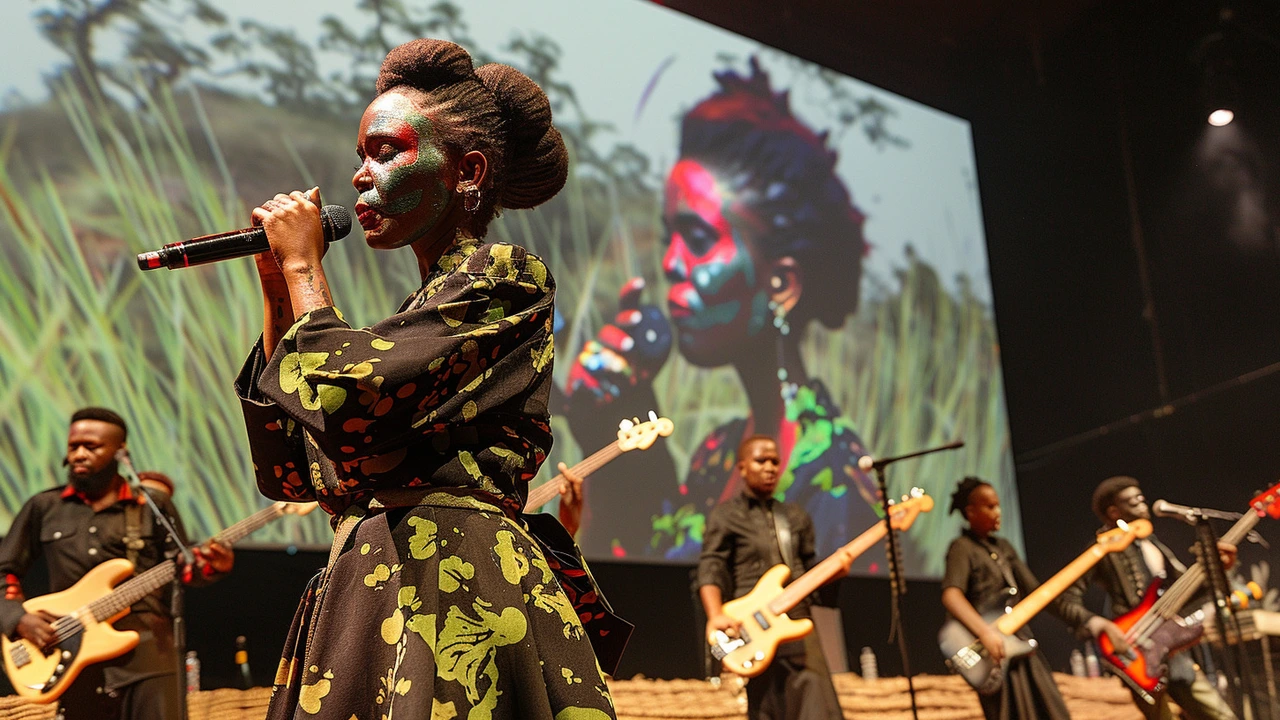
A Tragic Loss for Kenya and the World
Kenyans were deeply saddened by the news of Jahmby Koikai's passing at Nairobi Hospital on Monday. Known affectionately as Fyah Mummah in the reggae community, Koikai's vibrant personality and powerful voice had touched many lives. But her struggle with the health condition endometriosis remained a constant, painful presence in her life.
Endometriosis: A Global Health Challenge
Endometriosis is a condition that affects an estimated 170 million women globally. Yet, it remains largely underdiagnosed and misunderstood. For Koikai, the condition did not just mean painful periods; it was a never-ending series of surgeries, treatments, and hospital visits. The disease caused her severe pelvic pain and significantly impacted her reproductive health. By the time she was properly diagnosed, the condition had already wreaked havoc on her organs, including her teeth, heart, and appendix.
A Cry for Change
Weeks before her death, in a moment of vulnerability and strength, Koikai made a heartfelt plea to President William Ruto during his visit to the United States. She urged him to prioritize investment in healthcare, particularly focused on better treatment options for endometriosis. Her message highlighted the urgent need to break the taboos surrounding period pain and to address the significant gaps in the treatment and diagnosis of this condition.
In her appeal, Koikai's words were compelling. She spoke from a place of personal suffering, yet her message resonated universally. She emphasized the importance of education and awareness, urging the Kenyan government to take action to improve healthcare policies around women’s health issues. Her plea was not just for herself, but for all the women who silently battle with endometriosis every day.
The Journey of Jahmby Koikai
Koikai's journey with endometriosis was long and arduous. From the onset of her symptoms to her multiple surgeries, she faced numerous obstacles. Her determination to bring attention to this condition despite her own suffering is a testament to her strength and resilience. Her story is a stark reminder of the importance of timely diagnosis and effective treatment for endometriosis.
Endometriosis occurs when tissue similar to the lining inside the uterus grows outside the uterus, causing inflammation and pain. It can lead to severe complications, including infertility and chronic pain. In Koikai's case, the disease was so aggressive that it affected multiple organs, turning her battle into a dire health crisis.
Breaking the Silence
One of the key points in Koikai's plea was the need to break the silence around menstruation and period pain. For too long, women's health issues have been shrouded in stigma and misunderstanding. Koikai highlighted the fact that many women suffer in silence, their pain dismissed or misunderstood by healthcare providers. Her call to action was a demand for better education, both for the public and for medical professionals, to recognize and treat endometriosis appropriately.
In a society where discussing menstrual health is often considered taboo, Koikai's bravery in addressing such a personal issue publicly is both inspiring and essential. Her story is a powerful call to action for policymakers, healthcare professionals, and society at large to take women's health issues seriously and to work towards better solutions.
Looking Ahead
Koikai's passing is a great loss, not only to her loved ones and the reggae community but to all who have been inspired by her courage and advocacy. Her story has shone a spotlight on the urgent need for healthcare reform, particularly concerning endometriosis and related conditions. As her family and friends mourn her loss, they also carry forward her message of hope and change.
It is now up to leaders like President Ruto and other policymakers to heed her call and take meaningful action. Improving healthcare for conditions like endometriosis requires a multifaceted approach, including better funding for research, improved medical training, and increased public awareness. By addressing these issues head-on, we can honor Koikai's legacy and ensure that future generations of women do not have to endure the same struggles.
The Power of Advocacy
Jahmby Koikai's life and advocacy work serve as a powerful reminder of the impact one individual can have. Her tireless efforts to bring attention to endometriosis have already begun to make a difference. Her story is one of resilience, strength, and an unyielding commitment to making the world a better place for women suffering from this debilitating condition.
As we remember Koikai, let us also commit to continuing the fight against endometriosis. Her voice may have been silenced, but her message lives on. It is a call to action for all of us to ensure that women’s health is prioritized, that taboos are broken, and that better treatment options are made available. Jahmby Koikai may have lost her battle, but her legacy will continue to inspire and drive change for years to come.
Samba Alassane Thiam
June 5, 2024 AT 20:55Meanwhile, my cousin in Cape Town waits 8 months for a gyno appointment. But sure, let’s make a documentary.
Patrick Scheuerer
June 7, 2024 AT 15:53Koikai’s suffering is tragic. But sentimentality does not equal policy.
Angie Ponce
June 9, 2024 AT 04:50And now we’re supposed to cry because a singer got sick? Get real.
Andrew Malick
June 10, 2024 AT 05:25But of course, we’d rather memorialize her than fix the system that let her suffer for a decade before diagnosis.
will haley
June 12, 2024 AT 01:12Laura Hordern
June 12, 2024 AT 04:37And yeah, I cried when I read her letter. Not because she’s dead, but because she had the guts to say what so many of us have been told to shut up about. The fact that she had to beg a president while dying? That’s not tragedy. That’s a crime. We need mandatory endo training for OB-GYNs. We need insurance to cover laparoscopies without 17 denials. We need to stop calling period pain ‘normal’. It’s not. It’s a red flag. And if your doctor doesn’t treat it like one, find a new one. I did. And I’m still here.
Brittany Vacca
June 12, 2024 AT 07:08Also, I just got my first MRI today and I'm so hopeful. Fingers crossed!
Lucille Nowakoski
June 13, 2024 AT 05:25