
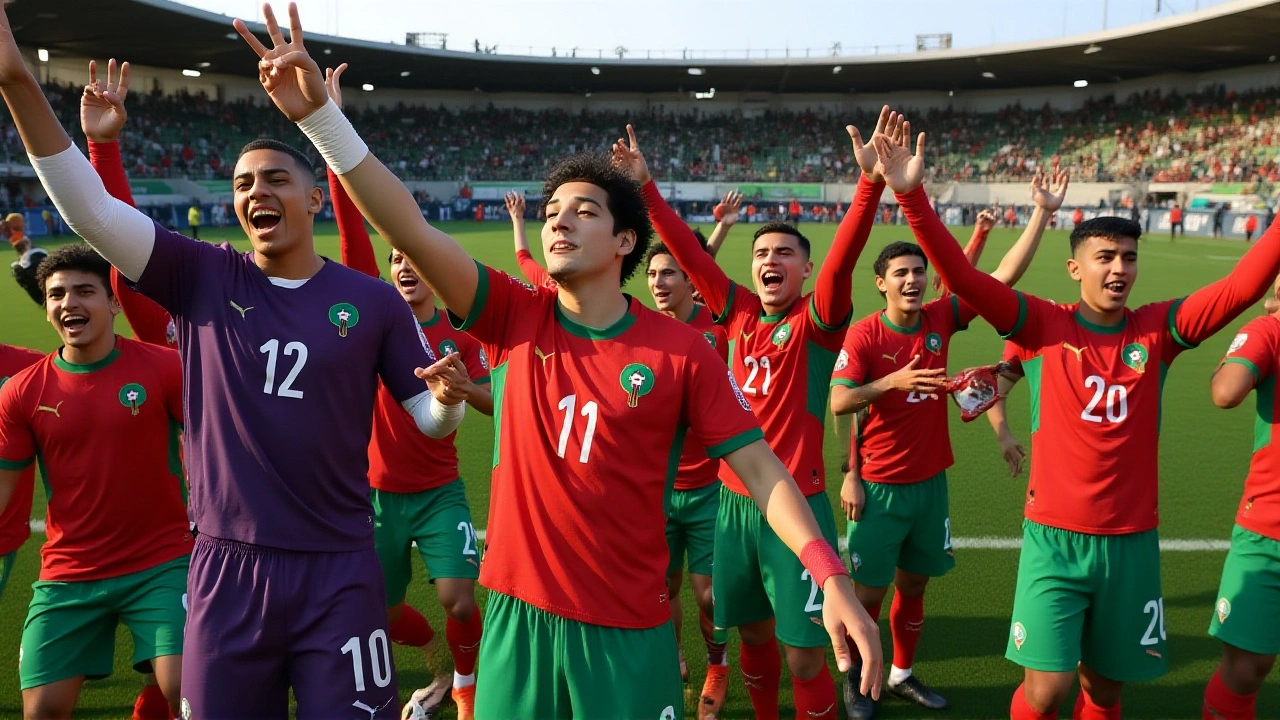
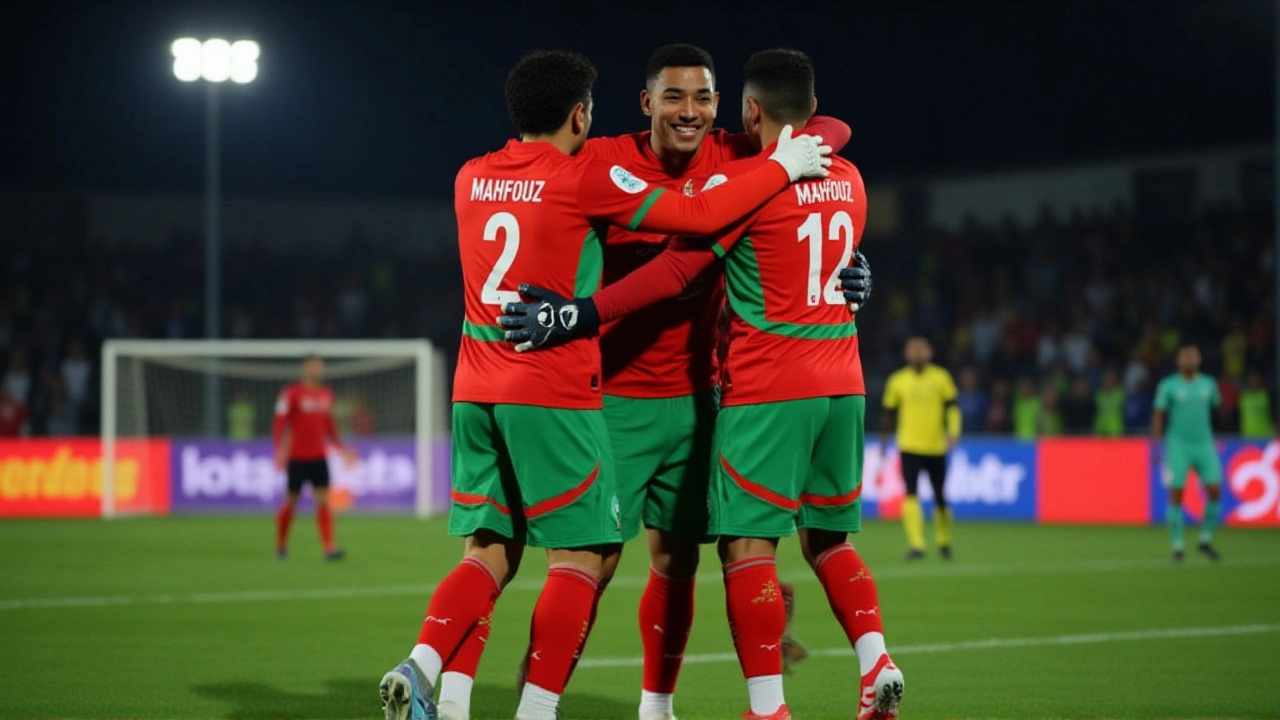
In a night that will echo through African football history, Morocco U‑20 defeated Argentina U‑20 2‑0 to claim the 2025 FIFA U‑20 World Cup final at Estadio Nacional Julio Martínez Prádanos in Santiago, Chile, on 19 October 2025. Goals came from the nimble forward Zabiri in the 12th and 29th minutes, sealing a historic triumph for the North African side. The match drew 43,253 fans, a near‑full house in a stadium that can hold 48,665.
Road to the Final: How Both Teams Got Here
The journey began in early October. Hicham Dmz, head coach of the Moroccan side, guided his squad through a grueling Group D, punching above their weight with a 2‑0 win over Japan (10 Oct), a 1‑1 draw with Colombia (13 Oct), and a 3‑1 victory against France (16 Oct). The knockout phase saw Morocco edge past Senegal (2‑1), Brazil (1‑0) and Italy (3‑2) to book their spot in the final.
Meanwhile, Javier Mascherano, appointed as Argentina’s U‑20 coach in January 2024, steered a traditionally strong side through Group A with wins over Egypt (4‑1) and South Korea (2‑0) and a 0‑0 stalemate with Portugal. The La Albiceleste’s youth side then dispatched Ecuador (1‑0), Germany (2‑1) and Spain (3‑0) to earn their eighth final appearance.
The Final Match: Key Moments and Tactical Shifts
The atmosphere was electric. Referee Maurizio Mariani (Italy) blew the opening whistle at 20:00 local time (UTC‑3). Morocco started aggressively, pressing high and exploiting the spaces behind Argentina’s back line. In the 12th minute, Zabiri collected a loose ball on the left flank, cut inside, and curled a low shot past Argentine keeper, sparking wild celebrations.
Just 17 minutes later, the same youngster doubled the lead. A swift counter‑attack saw him sprint past two defenders, slotting the ball home from six yards out. Argentina pressed for a reply, but Mascherano’s side struggled to break through a disciplined Moroccan midfield marshaled by veteran captain Youssef Benjelloun. The match ended at 2‑0, no extra time needed under the tournament’s regulations.
Historic Significance: First African Winners
The win marks the first time an African nation has lifted the U‑20 trophy since Ghana’s surprise penalty shoot‑out win in 2009. The Royal Moroccan Football Federation praised the achievement as "the culmination of years of investment in youth development".
FIFA President Gianni Infantino released a statement at 22:15 UTC: "Morocco's achievement represents a watershed moment for African football development. This victory demonstrates the global expansion of football talent and validates FIFA's investment in youth programmes across the continent." CAF reported a 287 % spike in digital engagement, with 12.3 million concurrent viewers on CAF TV during the match.
Reactions: Voices from the Pitch and the Stands
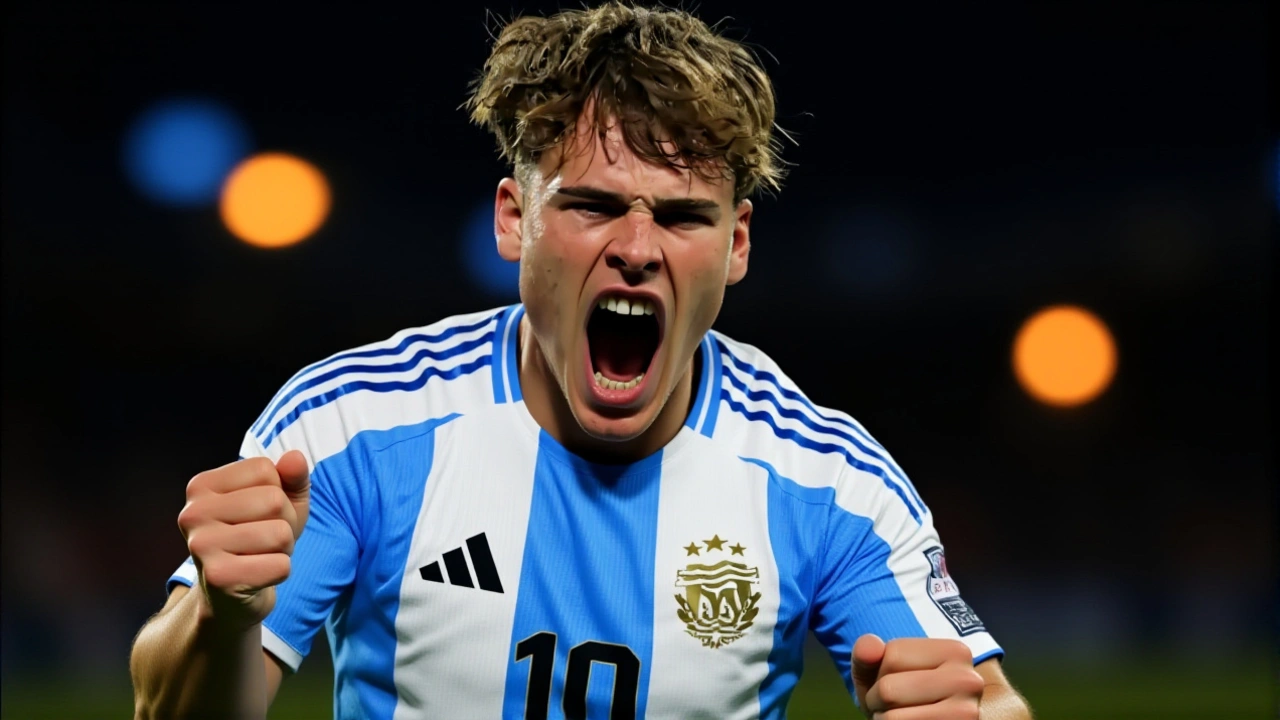
After the final whistle, Dmz hugged his players, saying, "You have written a new chapter in African football. Tonight, we proved that talent knows no borders." Mascherano, while disappointed, congratulated the opponents: "They deserved it. We will learn, we will grow, and we will come back stronger."
Fans in the stadium were a kaleidoscope of colors – Moroccan flags fluttering alongside Argentine scarves. In Casablanca, street celebrations erupted; vendors handed out free kebabs, and spontaneous chants of "Les Lions du Maroc" filled the night air. In Buenos Aires, a quieter scene unfolded as supporters gathered at a sports bar, acknowledging the loss with solemn respect.
Looking Ahead: What This Means for African Football
The triumph could reshape scouting patterns. European clubs have already sent scouts to Morocco’s youth academies, eyeing the next wave of talent. Moreover, the success may encourage other African federations to double‑down on grassroots programmes, hoping to replicate Morocco’s model of structured coaching and international exposure.
In the short term, Morocco’s U‑20 side will return home for a hero’s welcome and soon begin preparations for the 2027 edition, which they will automatically qualify for as defending champions. Argentina, meanwhile, will likely conduct a tactical review and may consider integrating some of the U‑20 players into the senior squad.
Key Facts
- Final score: Morocco 2 – 0 Argentina
- Goal scorer: Zabiri (12', 29')
- Attendance: 43,253 at Estadio Nacional Julio Martínez Prádanos
- Historic first: First African nation to win the FIFA U‑20 World Cup
- CAF digital engagement jumped 287 % during the final
Frequently Asked Questions
How does Morocco's win affect African football development?
The victory showcases that structured youth programmes can produce world‑class talent. It is expected to boost investment in academies across the continent, attract more scouting attention from European clubs, and inspire other African nations to elevate their development pathways.
Who scored the goals for Morocco in the final?
Both goals were netted by forward Zabiri. He struck in the 12th minute and again in the 29th minute, sealing the win before half‑time.
What was the attendance at the final match?
A crowd of 43,253 spectators filled the Estadio Nacional Julio Martínez Prádanos, nearly reaching its 48,665‑seat capacity.
When and where will the next U‑20 World Cup be held?
FIFA announced that the 2027 edition will take place in Indonesia, with matches scheduled for June 2027. Exact venues are being finalised.
What were the reactions from FIFA and CAF officials?
FIFA President Gianni Infantino called the win a "watershed moment" for African football, while CAF reported a record digital surge, highlighting the growing global interest in African youth competitions.
Vaidehi Sharma
October 20, 2025 AT 22:03Morocco just wrote the script for a Hollywood climax 😂
Heena Shaikh
October 26, 2025 AT 15:56When a continent redefines its narrative, the ripple effects go far beyond the pitch. The triumph of a North‑African side over a traditional powerhouse forces us to rethink the old hierarchies that have long governed youth football. It is a reminder that investment in grassroots does not merely fill rosters; it builds cultural confidence. The Argentine youth system, while historically prolific, now faces a mirror that reflects both its strengths and its complacencies. In this new era, the African diaspora will no doubt point to Morocco as a case study for strategic planning. The psychological boost for aspiring players across the continent cannot be overstated. If other federations take notice, we may witness a cascade of tactical innovations emerging from regions previously dismissed as peripheral. Ultimately, sport is a language of possibility, and tonight’s victory rewrote a crucial paragraph.
Ashutosh Sharma
November 1, 2025 AT 10:49So the South American giants finally got schooled by the Maghreb-what a surprise! The obvious missteps in tactical rigidity were glaring, especially the lack of a high‑press to disrupt Morocco’s swift transitions. Guess the Argentine back‑line needs an upgrade before the next tournament.
arun great
November 7, 2025 AT 05:43Great match, truly a masterclass in disciplined defending and efficient attacking. Morocco’s pressing game was relentless, forcing errors and capitalizing on half‑spaces. Argentina’s midfield struggled to retain possession under that pressure. Kudos to the coaching staff for their tactical preparation 😊⚽. Looking forward to seeing how both squads evolve.
Anirban Chakraborty
November 13, 2025 AT 00:36This victory isn’t just a win on the scoreboard; it’s a moral victory for every African nation that’s been told “you can’t.” The dedication of those kids proves that integrity and hard work do pay off. Let’s celebrate the achievement without losing sight of the humility required to stay on top. The next step is to nurture this talent responsibly. Otherwise, we risk squandering a historic moment.
Krishna Saikia
November 18, 2025 AT 19:29Morocco’s success is a testament to what true national pride and disciplined training can achieve. Our fellow Africans should see this as a call to action, not just a feel‑good story. The future belongs to those who respect the flag and work relentlessly for it.
DN Kiri (Gajen) Phangcho
November 24, 2025 AT 14:23Congrats to the kids and coaches they earned this win the hard way keep pushing forward the journey has just begun
Apurva Pandya
November 30, 2025 AT 09:16Seeing Morocco lift that trophy feels like a beacon of hope for under‑represented continents 🌍👏
Nishtha Sood
December 6, 2025 AT 04:09What an inspiring story! It shows that with the right support, talent can emerge from anywhere. The kids’ dedication is a reminder that dreams are worth pursuing, no matter the odds. This win will motivate countless young athletes across Africa to chase their own football dreams. It also highlights the importance of investing in youth academies and coaching education. Here’s hoping other federations follow suit and create pathways for future stars. The ripple effect of this triumph could reshape the global talent map for years to come.
Hiren Patel
December 11, 2025 AT 23:03Whoa, talk about an underdog story that reads like a novel! The night the Maghreb lions prowled Santiago will be whispered in taverns and dugouts for generations. First, we had a young striker named Zabiri who turned the ball into a paintbrush, splashing bright strokes across the canvas of the match. In the 12th minute, he received a loose ball, danced like a samba dancer, and curled it low into the net-an artistic masterpiece that sent the Moroccan fans into a frenzy. By the 29th, he was on fire, sprinting past defenders as if they were mere shadows, and slotted home his second masterpiece, sealing the fate of the Argentinian side. The Argentine defense, usually a wall of steel, crumbled under the relentless press, their backs turned into a vulnerable tapestry. The stadium’s roar felt like a wave crashing on cliffs, each chant echoing the triumph of a continent long underestimated. Coaches worldwide are now pulling out their playbooks, studying the positional discipline that Morocco exhibited-a blueprint for future success. Scouts from Europe are already lining up, notebook in hand, hoping to snatch the next gem from the Moroccan youth system. The victory also sparked a spontaneous street parade in Casablanca, where kebab vendors handed out free bites, and the city’s lights flickered in a celebration of collective pride. Meanwhile, in Buenos Aires, a solemn respect lingered, as fans raised a glass to the victors, acknowledging the shift in football's power balance. This match redefined what’s possible when talent meets opportunity, and the narrative now belongs to the torchbearers of African football. As the trophy glimmered under the stadium lights, it reflected not just a win, but a promise: that the future of the beautiful game is bright, diverse, and wildly unpredictable. The ripple effect? A surge in academy enrollments across Africa, a boost in sponsorship deals, and a new era where every continent feels truly represented on the world stage. In short, this wasn’t just a match; it was a cultural renaissance, a seismic shift that will echo through locker rooms, training grounds, and fan hearts for years to come.
Rana Ranjit
December 17, 2025 AT 17:56From a philosophical lens, this win illustrates how collective belief can transform potential into reality. The Moroccan squad embodied a shared vision, turning individual skill into a harmonious whole. It challenges the deterministic view that talent alone dictates outcomes; instead, it foregrounds the power of communal effort and cultural resilience.
Bikkey Munda
December 23, 2025 AT 12:49For anyone curious about the tactics, Morocco used a 4‑3‑3 with a high press and quick counters. They blocked the Argentine midfield and forced errors. Better understanding these moves can help youth coaches improve their own teams