
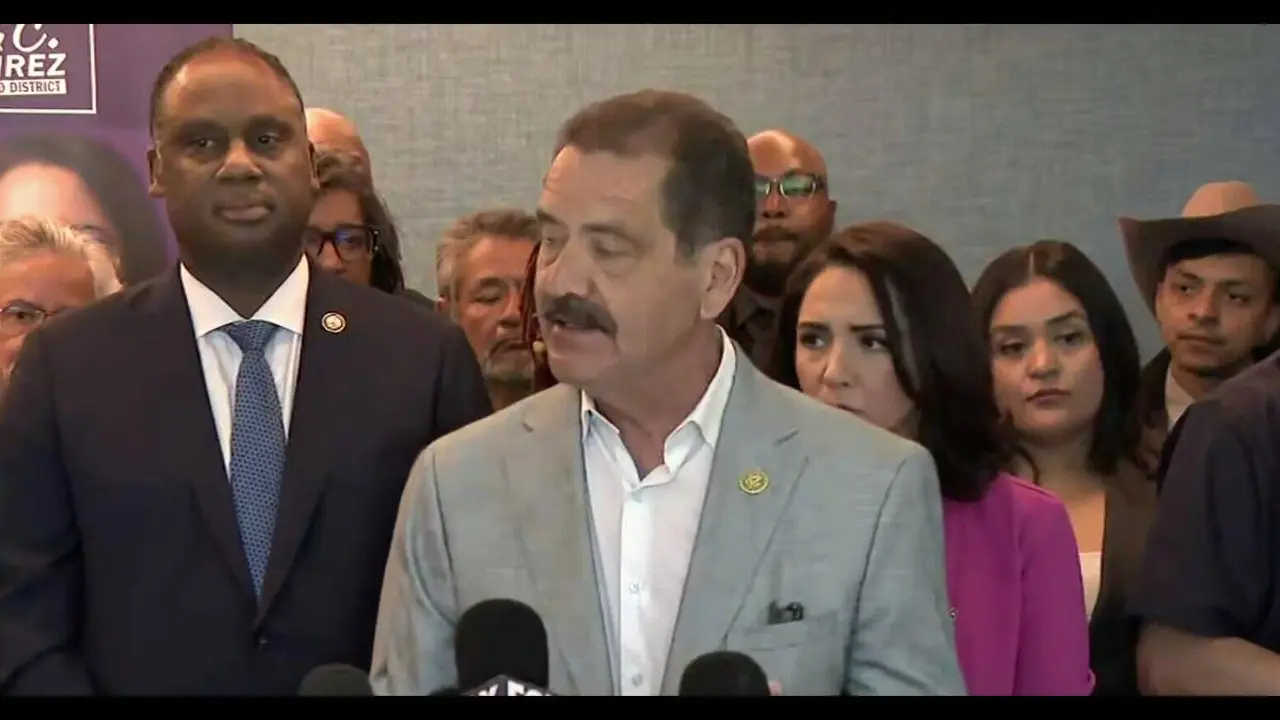
It’s a tense time in Springfield. As the clock ticked toward a Saturday deadline, Illinois Democrats unveiled a massive $55 billion spending plan for fiscal year 2026. The proposal isn’t just about balancing books; it’s a political tightrope walk involving new taxes on gambling and tobacco, the elimination of a controversial healthcare program, and a hefty price tag for commuters.
The details are still settling, but the impact is already being felt. Here’s the thing: this budget comes hot on the heels of another major financial decision from late October 2025, where lawmakers approved a plan to fund Chicago-area public transit through sales tax increases and toll hikes. It’s a double whammy for residents who rely on both roads and rails.
A $55 Billion Gamble on New Revenue Streams
The heart of the fiscal year 2026 plan was introduced by Sen. Elgie Sims, Senate lead budget negotiator on Friday evening. With no broad sales or income tax hikes on the table, the strategy relies heavily on niche revenue streams. That means more money from slot machines, vape shops, and cigarette packs.
But wait—there’s a catch. To balance the ledger, the plan proposes eliminating the Health Benefits for Immigrant Adults (HBIA) program. This move, estimated to save $330 million as proposed by Governor J.B. Pritzker, cuts off benefits for undocumented immigrants aged 42 to 64. It’s a stark policy shift that has drawn sharp criticism from advocacy groups while appealing to fiscal conservatives.
And let’s not forget the politicians themselves. Lawmakers’ base salaries are set to rise from approximately $92,000 to $98,304. A modest bump, perhaps, but one that doesn’t sit well with voters facing higher costs elsewhere.
The Commuter’s Burden: Transit and Toll Hikes
If you drive or take the train in the Chicago area, your wallet is already taking a hit. In late October 2025, Illinois lawmakers passed a separate funding package for public transit. The numbers? A 0.25% sales tax increase in the Chicago metropolitan area. On top of that, truckers face a 30% toll increase, while car drivers will pay an extra 45 cents per trip.
This transit funding plan pulls roughly $860 million from the state motor fuel sales tax and adds $200 million in interest from the road fund. It’s a stopgap measure designed to keep the lights on for the Regional Transportation Authority (RTA), but it raises questions about long-term sustainability. Are we taxing our way out of a crisis, or just delaying the inevitable?
Megaprojects and Data Centers: The Hidden Costs
Beyond the budget and transit, other legislative battles are heating up. As of April 22, 2026, lawmakers were weighing a tax on high-income earners. Simultaneously, they’re revising legislation for large-scale megaprojects, including potential development for a new Chicago Bears stadium in Arlington Heights. These projects promise economic boosts but often come with hidden community costs.
Then there’s the tech boom. The Illinois House Executive Committee, chaired by Rep. Ann Williams, D-Chicago, held hearings on data center regulations. The focus? Water use, energy consumption, noise pollution, and community benefit agreements. With AI demand skyrocketing, these facilities are popping up everywhere. But at what cost to local infrastructure?
What’s Next for Illinois Voters?
The timeline is tight. The $55 billion budget needs approval before the fiscal year begins. Meanwhile, the transit tax hikes are already rolling out. For everyday residents, the message is clear: expect to pay more, whether it’s at the pump, the turnstile, or the checkout line.
Experts suggest watching how the HBIA elimination plays out in court and among voter demographics. Could it backfire in upcoming elections? Only time will tell. One thing is certain: Illinois is betting big on niche taxes and big projects to keep the state running. Whether that bet pays off remains to be seen.
Frequently Asked Questions
How much does the new transit tax increase cost drivers?
Car drivers in the Chicago area will see an additional charge of 45 cents per trip. Truckers face a steeper 30% increase in tolls. These hikes are part of a broader plan to generate $860 million from fuel taxes and $200 million in interest to support public transit.
Who loses health benefits under the new budget?
The plan eliminates the Health Benefits for Immigrant Adults (HBIA) program, affecting undocumented immigrants between the ages of 42 and 64. This cut is projected to save the state $330 million, according to Governor Pritzker’s proposal.
Are Illinois lawmakers getting a raise?
Yes. The fiscal year 2026 budget includes an increase in base salaries for legislators from approximately $92,000 to $98,304. This adjustment is part of the overall spending plan introduced by Senate negotiator Elgie Sims.
What new taxes are included in the $55 billion budget?
The budget introduces new taxes on gambling, tobacco products, and vape devices. There are no broad increases in sales or income taxes, making these niche sectors the primary sources for new revenue generation.
Is there a proposal to raise the federal minimum wage to $25?
No. Current available information does not indicate any proposal by Illinois lawmakers to raise the federal minimum wage to $25 per hour. Legislative focus remains on state-level budget issues, transit funding, and specific industry regulations like data centers.
Mike Gill
May 11, 2026 AT 07:32man this is crazy how they keep raising taxes on everything but still cant fix the roads properly feels like a rip off to me honestly
Sai Krishna Manduva
May 11, 2026 AT 12:01The notion that taxing sin products will significantly impact state revenue is, at best, optimistic and at worst, intellectually dishonest. One must consider the elasticity of demand for such goods. When prices rise, consumption often falls or moves underground, thereby reducing the very tax base upon which these fiscal policies rely. It is a classic case of policy makers confusing correlation with causation in their economic models.
lavanya tolati
May 12, 2026 AT 04:02i feel so bad for the people who lost health benefits it really shows where priorities are lying not with people but with numbers on a page
Sohni Bhatt
May 12, 2026 AT 19:09It is absolutely disgraceful that our own legislators are giving themselves a raise while simultaneously stripping essential services from vulnerable populations within our society. This demonstrates a complete lack of empathy and understanding regarding the struggles of the common citizen who pays the price for their incompetence. We deserve better than this self-serving behavior from those elected to serve us with honor and integrity rather than greed and selfishness.
Shreyanshu Singh
May 12, 2026 AT 20:21typical politicians doing what they do best screwing over the little guy while padding their own pockets its always the same story every single time without fail
Siddharth SRS
May 14, 2026 AT 08:49One cannot simply overlook the intricate web of financial maneuvers that have been orchestrated by the legislative body in question. The elimination of the Health Benefits for Immigrant Adults program is not merely a budgetary adjustment but a profound ethical statement about the value placed on human life versus fiscal conservatism. It is a decision that reverberates through the societal fabric, creating ripples of uncertainty and distress among those who were previously reliant upon such support systems for their well-being and stability.
Anoop Sherlekar
May 15, 2026 AT 00:04come on everyone lets stay positive there is always a way to make things work out we just need to keep pushing forward and supporting each other through tough times :)
Navya Anish
May 16, 2026 AT 09:55this whole situation is just pathetic how can they expect anyone to trust them after cutting healthcare for immigrants while giving themselves raises it makes my blood boil thinking about the sheer audacity of these corrupt officials
Subramanian Raman
May 17, 2026 AT 14:21one has to wonder if the focus on data centers and tech booms is truly benefiting the local communities or just enriching a few big corporations while ignoring the environmental costs involved :/
Prashant Sharma
May 19, 2026 AT 02:33It is fascinating to observe the cognitive dissonance displayed by proponents of this budget. They claim to be fiscally responsible yet engage in short-sighted revenue generation tactics that ignore long-term economic consequences. The reliance on niche taxes is a testament to their inability to address structural issues within the state's economy.
Swetha Sivakumar
May 19, 2026 AT 07:08its interesting to see how different groups are reacting to this some seem really upset while others dont care much i guess it depends on your perspective and where you stand on these issues
Jay Patel
May 20, 2026 AT 21:50the fact that they are increasing tolls for truckers while also raising sales taxes is a clear sign of incompetence and lack of planning 🤡📉
Pranav Gopal
May 22, 2026 AT 03:21we should all take a moment to reflect on what kind of community we want to build one that supports everyone or one that only helps those who can afford it
Suresh Kumar
May 23, 2026 AT 00:01perhaps the real issue here is not the money itself but the underlying values that drive these decisions it forces us to question what we prioritize as a society
कमल कमल
May 24, 2026 AT 23:11in india we have similar problems with corruption and mismanagement but at least we do not hide behind complex jargon to justify our failures the truth is simple people suffer when leaders fail to do their job properly :(